





The right balance of timing, temperature, and absorbent capacity of ink needs to be achieved for the ink to adhere properly to the paper. When any part of that balance is disrupted, the ink remains damp long after it has been printed. Some of the most common causes of this include:
• Using low-quality or poorly coated paper
• Heavily saturated printout or heavy image or graphic
• Inconsistent heating and/or curing of the printed paper while it’s inside the printer
Ink will inevitably smear if it remains on top of the paper and does not properly adhere to it due to the disruption of the aforementioned balance.
While paper may seem basic, it plays a crucial role in determining the appearance of prints when they emerge from a printer. The use of low-quality or mismatched paper can:
• Absorb ink unevenly
• Hold a higher amount of moisture
• Cause the ink to spread over the surface instead of settling into the layer of paper.
Therefore, the result will appear as though the printout has blurry edges, unevenly saturated colors, and/or visible stains — especially in color prints.
Worn or Unreliable Printer Parts
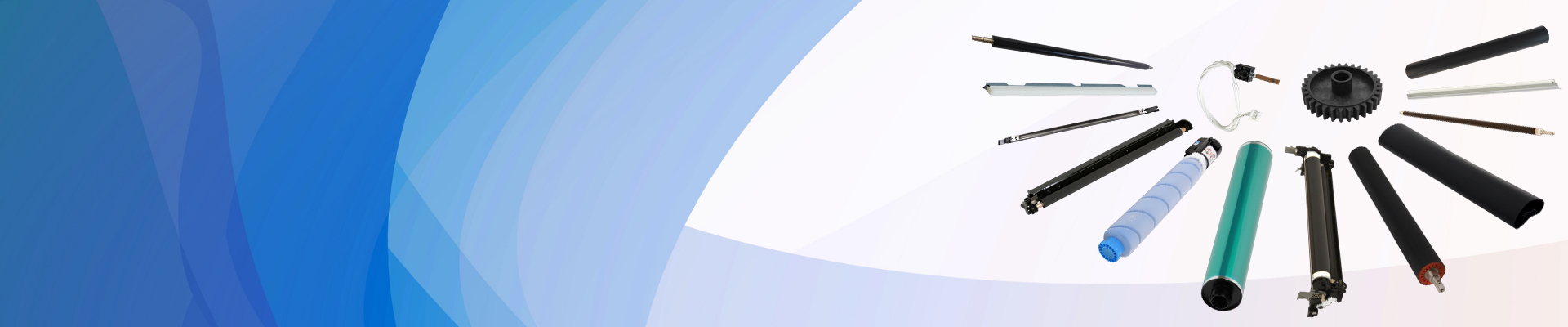
Most often, when there are problems with the ink, the issues begin to occur within the printer itself. It is the inside printer components, such as the developer unit, transfer roller, doctor blade, and fuser assembly, that control how ink or toner travels through the inside of the printer and fixes onto the paper. Most of the time, when these printer components wear out, or when the replaced parts are not consistent with the original parts, you will experience a difficult time controlling the flow of ink, which can cause smudged or damp-looking printed outputs.
Humidity is an Environmental Condition That’s Easy to Miss
Most people overlook the effects of environmental conditions when printing. High humidity can cause the printout to dry in a non-clean manner because, while the printout is drying, moisture is being absorbed into the paper, allowing for the addition of more ink, and in turn, the ink will continue to spread. This occurs more frequently in areas of poor ventilation, as well as in areas with a high amount of humidity.
The default settings aren’t designed for every print job you might have to complete. Making use of text settings for images or the incorrect media type will overload the page with too much ink and prevent the drying process from taking place properly.
Therefore, often just small changes to the print mode and/or type of paper used can help to solve the larger problems relating to ink smearing or damp-looking printed outputs. Generally, smudged or damp-looking prints are not just accidents; they are the cumulative effects of several different items working together — the paper, the components inside the printer, the settings on the printer, and the moist conditions of the environment.
From HonHai Technology’s experience, stable printing always starts with understanding how these elements interact. When something looks wrong on the page, it’s often a signal from inside the printer, not just a surface issue. Ink cartridges for HP 22, HP 22XL, HP339, HP920XL, HP 10, HP 901, HP 933XL, HP 56, HP 27, HP 78. These models are best-sellers and are appreciated by many customers for their high repurchase rates and quality.
Post time: Jan-07-2026